SPACE BIOLOGY

The risk for other organisms

Snail
A snail is transported to the Bion-M1 satellite for a period of 30 days to analyze the reaction of its vestibular system. After the 30 days had elapsed, notable alterations in the perception of body movement could be observed. In addition, due to the absence of light, the physiology of his statocysts was affected, causing loss of balance. At 8:00 p.m. after returning to earth, the snail had a compensatory reaction to its losses and readapted to its natural environment
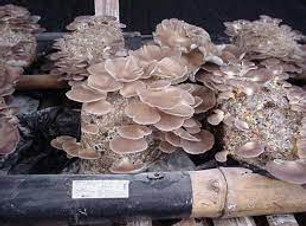
mushroom
A comparison of ground-grown and spaceflight-grown strains, to which yeast removal collection was performed, was performed in order to analyze the effects of microgravity on their composition. Significant damage to their DNA and RNA was observed in the yeast samples from the flights, which are analogous to the stress experienced by space flight pilots, all due to exposure to space radiation.
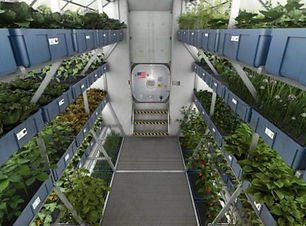
lettuce crops
They want to grow food crops in space so that astronauts have a complement to their packaged food. In this case, the behavior of lettuce was studied, which presented changes in the tissues of its leaves. The tissue presented changes in its content of Fe, K, Na, P, S and Zn. With this it can be concluded that food crops can be consumed by astronauts.
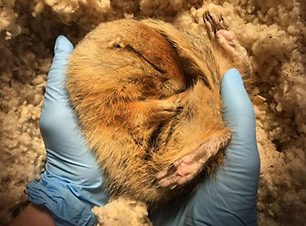
Mammal
Scientists took squirrels from the arctic zone which were subjected to hibernation processes by implementing temperature-sensitive radio transmitters which allowed them to control and analyze in detail the states of lethargy in this species and how their muscle and bone tissues behaved.
As conclusions of the research it was determined that physical inactivity when prolonged leads to losses of muscle strength and bone mass in humans and in most mammalian species. In this case, hibernating squirrels show no loss of bone mass and less muscle atrophy than would be expected during a period of physical inactivity. This leads to the conclusion that several mammals have evolved mechanisms that reduce muscle atrophy and conserve bone mass
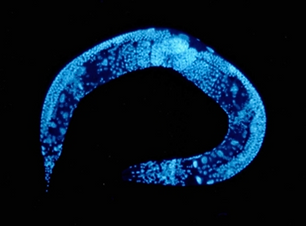
Worm
This space research trial was conducted in the Japanese module of the International Space Station where the species C. elegans (worm) was grown for 8 days in microgravity conditions to determine what biological interaction existed when subjected to these microgravity conditions.
Drugs involved: Combination drug for the treatment of heart failure called ARNI.
During the experimental process ARNI was applied in the species C. elegans N2/VC to determine what the biological behavior was when subjected to microgravity effects and as a result the scientists were able to conclude that this treatment manages to block the degradation of muscle proteins not only on Earth but also in space, which is of great help because they found biochemical resources to maintain intact the muscle structures of this type of species in space orbit. On the other hand, they also realized that this species is able to reproduce in space in the same way.

Mouse
Female mice were launched in the space shuttle Atlantis (STS-135) during a period of 13 days to analyze the changes they could have in their skin during their time in space orbit. When they returned to Earth in the following hours, they were sacrificed and skin samples were collected.
ROS : Type of unstable molecule containing oxygen that reacts easily with other molecules in the cell.
Altered amino acids, carbohydrate metabolism, cell signaling and transmethylation pathways were studied as a consequence of skin sample collection. In conclusion, the data demonstrated that the spaceflight condition leads to a change in biological and metabolic homeostasis as a consequence of up-regulation of cellular antioxidants, furthermore, it leads to ROS production and tissue remodeling. This indicates that astronauts may have an increased risk of pathophysiological damage or carcinogenesis in skin tissue.
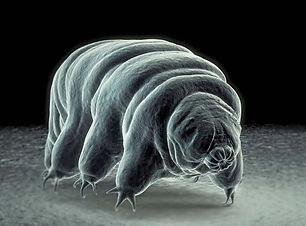
TARDIGRADE
Iin 2016, the National Polar Research Institute of Japan reanimated a tardigrade that had been frozen for 30 years and, some time later, this species managed to reproduce.
On the other hand, NASA in 2007 sent this species into space to study its behavior in the face of cosmic radiation and the approach to certain space agents.
They have also been used as projectiles and fired at an average speed of 1 km/s against compact surfaces.
During this experiment dozens of scientists concluded that besides being an animal with a microscopic size (0.5 - 1.00 mm on average) it is the most resistant to the most extreme conditions that one can imagine, among them is the cosmic radiation which is not able to affect its organism. As a result, it was found to be able to survive temperatures up to 150°c and freezing. Likewise, they can also survive decades without water.
The secret that makes this organism so strong is that it has a protein attached to its DNA that covers it to protect it and apparently it is the only living being that has it on earth. From the above, these findings could be used to protect human cells against radiation. On the other hand, the tardigrade would be the only animal that has a very high probability of surviving an extinction on earth.
_jfif.jpg)
Madaka fish
Due to the bone loss generated by gravity in space flights, a study was carried out on the reaction of some animals on the behavior of their osteoblasts and osteoclasts.
The animals were then exposed to microgravity. A positive regulation of osteoplasts and osteoclasts was observed in juvenile medaka fish after 2 days. With this it can be shown that exposure to microgravity induces an alteration in the genetics of osteoblasts and osteoclasts.
_jfif.jpg)
zebrafish
Zebrafish from 3 to 12 months of age were subjected to conditions of 12 hours of light and 12 hours of darkness. Zebrafish embryos were produced after breeding under usual laboratory conditions. Then a simulation of microgravity was carried out and the fish were subjected to this condition to observe their behavior and the development of the embryos.